
 USD




How DJI Agras Drones Are Transforming Modern Agricultural Practices
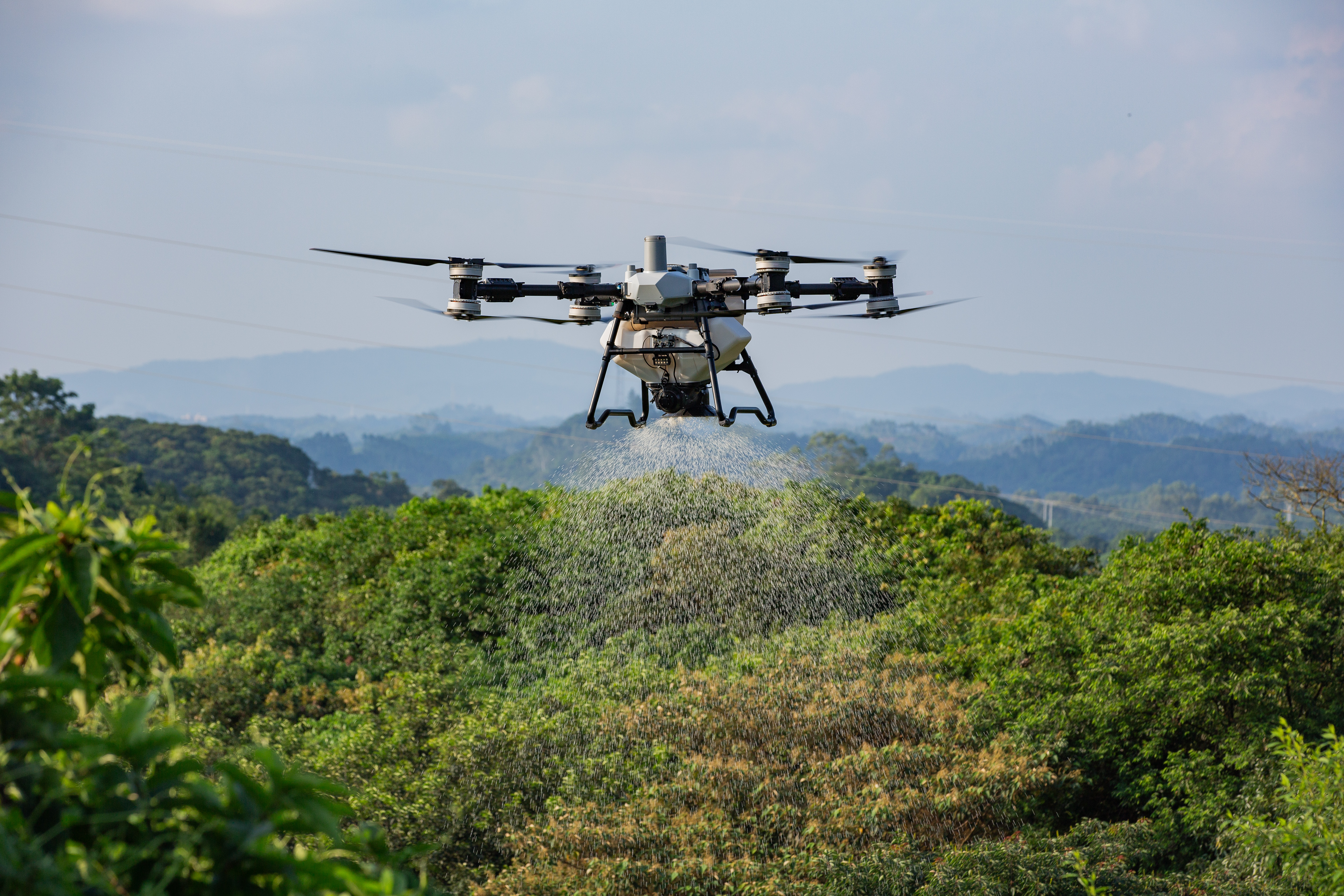
Agricultural drones are becoming an increasingly valuable tool for farmers, agricultural contractors, and professional drone operators. With the ability to distribute seeds, apply fertilizers, spread crop protection products, and support crop monitoring, DJI Agras agricultural drones offer flexible solutions for a wide range of farming operations.
Compared with traditional ground-based equipment, agricultural drones can access wet fields, steep terrain, and sensitive growing areas with less direct contact with the soil and crops. Their versatility makes them suitable for different farming systems, from large-scale field cultivation to specialized orchard management.
In this article, we explore several practical applications of agricultural drones and explain how drone technology can support more efficient and precise farming.
1. Biological Pest Control with Agricultural Drones
Biological pest management is an important part of sustainable agriculture. In corn production, for example, corn borers can cause considerable damage to crops if they are not managed effectively.
Agricultural drones can be used to distribute biological control agents, including Trichogramma wasps, which target the eggs of certain corn borer species. By distributing these beneficial insects across the field, farmers can support biological pest control without driving machinery through growing crops.
This approach can help reduce crop disturbance and improve the efficiency of field operations. The effectiveness of the application depends on the pest species, release method, timing, and local agricultural practices.
2. Drone Seeding for Cover Crops and Underseeding
Cover cropping and underseeding help improve soil management, protect the soil surface, and support long-term field productivity.
Using an agricultural drone for seeding allows operators to distribute seeds across areas that may be difficult to reach with conventional machinery. This is particularly useful in wet fields, standing crops, or locations where heavy equipment could cause soil compaction or damage existing plants.
Common applications include:
-
Underseeding barley, wheat, and maize with suitable companion crops.
-
Establishing clover to improve pasture and ground cover.
-
Sowing cover crops to help protect soil from erosion.
-
Distributing seeds in fields with limited access for ground machinery.
The appropriate seed type, spreading equipment, and application settings should be selected according to the crop, terrain, and desired seeding rate.
3. Precision Fertilizer Application in Potato Fields
Potato cultivation requires careful nutrient management and protection of the soil structure. Traditional machinery can sometimes damage potato ridges or compact the soil, especially when field conditions are unfavorable.
Agricultural drones equipped with suitable spreading systems can distribute granular fertilizers and other compatible materials across potato fields without requiring ground vehicles to pass between the ridges.
Depending on the application and approved product, drone-based spreading may also be used to distribute certain dust-suppression materials or other agricultural inputs.
The key benefits include improved access to sensitive areas, flexible application timing, and reduced disturbance to the field. Operators should always follow product instructions and applicable agricultural regulations.
4. Applying Slug Pellets in Tulip Fields and Vegetable Crops
Slugs can be a persistent problem in tulip production and vegetable cultivation, particularly in moist conditions.
Agricultural drones equipped with compatible granule spreaders can help distribute approved slug-control pellets across crop areas while minimizing the need for machinery to enter the field.
This method may be especially useful when crops are vulnerable to physical damage or when field conditions make conventional spreading difficult.
For organic or other regulated farming systems, operators must verify that the selected slug-control product is approved for the intended crop and production method. Drone application should also comply with local label requirements and environmental regulations.
5. Agricultural Drone Applications in Orchards
Orchards present unique challenges because of uneven terrain, narrow working spaces, tree roots, and the need to protect ground vegetation.
Depending on the drone model and installed equipment, agricultural drones can support several orchard operations, including:
-
Applying suitable foliar fertilizers.
-
Distributing approved crop protection products.
-
Spreading selected granular agricultural inputs.
-
Sowing cover crops between tree rows.
-
Supporting targeted field operations in difficult-to-access areas.
Drone-based operations can reduce the need to drive heavy machinery across orchard floors. For every application, operators should consider canopy structure, spray or spreading performance, weather conditions, and the specific requirements of the crop.
6. Crop Monitoring with Multispectral Drone Technology
Agricultural drones are not limited to spraying and spreading. Drone-based crop monitoring also helps farmers collect valuable information about field conditions.
For example, the DJI Mavic 3 Multispectral combines standard imaging with multispectral sensing to support vegetation analysis. The resulting imagery can help identify variations in crop vigor and highlight areas that may require further investigation.
Potential uses include:
-
Monitoring crop growth across different field zones.
-
Identifying areas with uneven vegetation development.
-
Supporting the assessment of crop stress.
-
Helping prioritize field inspections.
-
Providing data for more targeted crop management decisions.
Multispectral imagery does not automatically identify every disease or pest. Accurate diagnosis often requires field inspection and additional agronomic information.
7. Why Use DJI Agras Agricultural Drones?
For many farming operations, agricultural drones offer a flexible alternative or complement to conventional field equipment.
Reduced soil disturbance
Drone-based operations can minimize the need for ground machinery to travel across fields, helping reduce soil compaction and physical crop damage.
Flexible field access
Drones can reach certain wet, uneven, or difficult-to-access areas where traditional equipment may be less practical.
More targeted applications
With appropriate equipment and operating settings, drones can distribute seeds, fertilizers, and compatible agricultural products according to specific field requirements.
Versatile farming applications
Depending on the model and configuration, agricultural drones can support spraying, spreading, seeding, and other specialized farming tasks.
Support for data-driven agriculture
When combined with suitable mapping and crop-monitoring technologies, drones can help farmers make more informed decisions about field management.
Actual performance and suitability depend on the drone model, payload configuration, field conditions, operator experience, and local regulations.
8. Choosing the Right Agricultural Drone Equipment
Selecting the right equipment is an important part of achieving consistent results in agricultural drone operations.
Before choosing a drone or accessory, consider the type of work you need to perform, the materials being applied, the required application rate, and the conditions in which the equipment will operate.
Important factors include:
-
Application type: spraying, granular spreading, seeding, or crop monitoring.
-
Equipment compatibility: whether the drone and accessory are designed to work together.
-
Field conditions: crop height, terrain, field size, and accessibility.
-
Maintenance requirements: regular inspection and replacement of compatible wear parts.
-
Local regulations: operational restrictions, product approvals, and environmental requirements.
Using suitable equipment and maintaining it according to the manufacturer's instructions can help operators prepare for fieldwork and maintain reliable operating performance.
Conclusion
DJI Agras agricultural drones are helping farmers and professional operators explore new ways to manage field operations, from biological pest control and cover crop seeding to fertilizer spreading and specialized orchard applications.
By choosing the appropriate drone configuration, application equipment, and operating methods, agricultural professionals can improve access to challenging fields and support more precise crop management.
Whether you are exploring drone seeding, fertilizer application, or other agricultural drone solutions, understanding the requirements of your farming operation is the first step toward choosing the right equipment.
Looking for agricultural drone equipment or compatible DJI Agras accessories? Contact our team to discuss your application requirements and find suitable equipment for